
Is your plant dead or just dormant?
A plant that looks dead may only be resting. Many houseplants in low light slow down in winter. Oxalis and amaryllis can die back to a rhizome or bulb, and garden perennials and shrubs can stay bare well into spring. Scratch a woody stem for green tissue and check whether the roots, crown or bulb are firm. If only part is alive, take cuttings from it.
Updated
Do plants go dormant, or just rest?
Many houseplants in low light rest in winter, and a few die back completely and regrow. Clemson Cooperative Extension says that in the short days of winter, many indoor plants with little or no artificial light enter a “resting stage.” Clemson’s advice is not to feed a plant while it rests. The guide to houseplant light shows how to measure a spot.
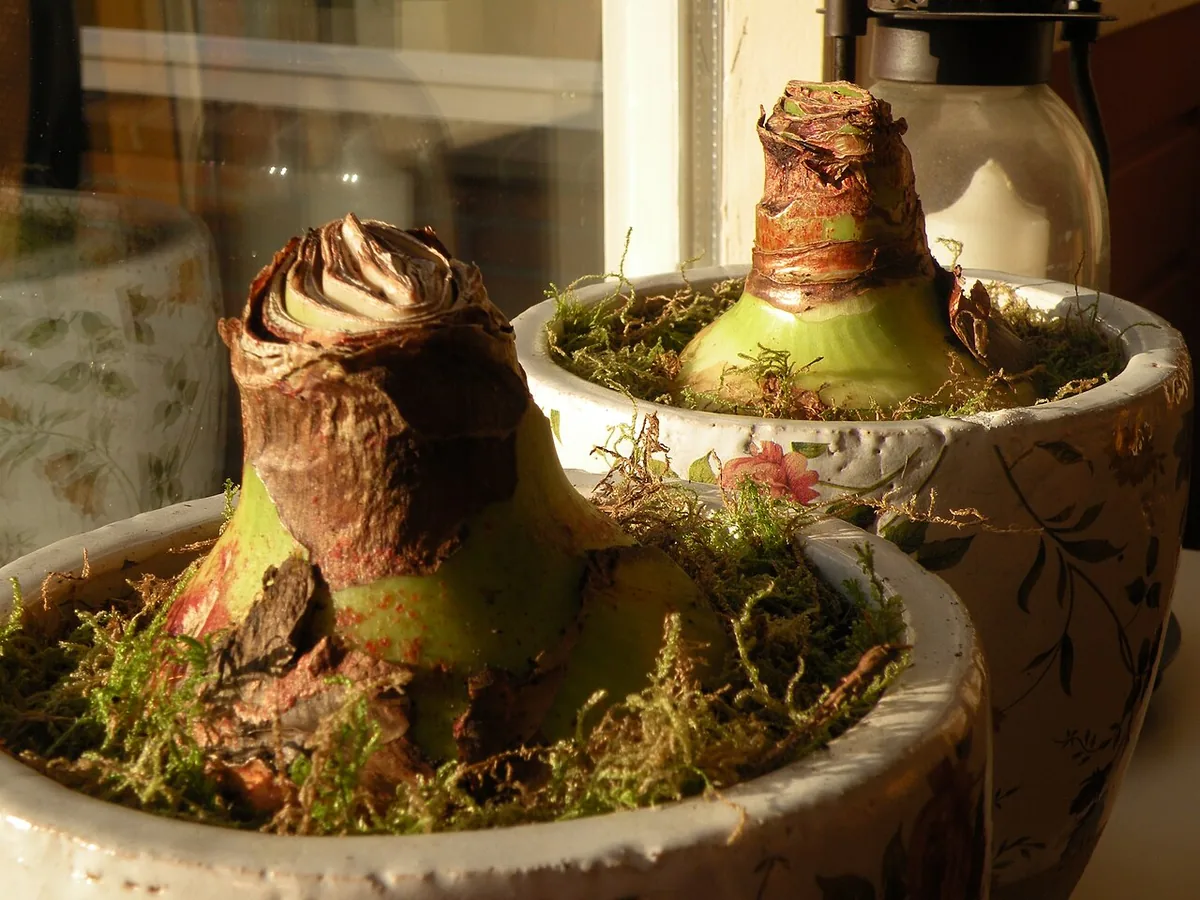
Some plants go further. NC State Extension says purple shamrock (Oxalis triangularis) may go dormant for a while in fall, or when it gets too hot or too dry. It grows from rhizomes that store water and nutrients, so a pot of bare soil can still hold a living plant. In warm-climate gardens, NC State says, it goes dormant in winter and returns in spring. The University of Maryland Extension describes withholding water until amaryllis (correctly called Hippeastrum) leaves yellow and wither, then resting the bulb for about 6 to 8 weeks.
Leaves that fall after a move are a different problem: see sudden leaf drop.
How long should you wait for garden plants in spring?
Longer than most people expect. Iowa State University Extension and Outreach says several perennials, including balloon flower, hardy hibiscus and Russian sage, need several weeks of warm soil and air before they grow, and some don’t come up until June. Mark the spot and wait until mid-June before you dig or replant.
For a tree or shrub that hasn’t leafed out, Iowa State suggests waiting until at least June 1 before deciding. Those dates come from Iowa, so adjust them for your climate. Compare the plant with others of the same kind nearby: if they are late too, Iowa State says the cause is likely environmental rather than the plant’s health.
How do you check a stem for life?
On a woody stem, scratch a small patch of bark. Clemson says to gently scrape under the outer layer of bark to see if green wood is present. Iowa State says green tissue means that branch is alive, while brown, dry tissue suggests dieback, so test several branches.
Don’t rush the saw. Clemson’s cold-damage factsheet says, “Some plants may appear dead, but they are not.” Once you know how far the damage goes, remove only the dead wood. Watering a cold-damaged plant that looks wilted won’t revive it, Clemson notes.
Soft stems have no bark to scratch. If a soft stem base is collapsing or dark, read the mushy stem guide.
What do the roots, crown or bulb tell you?
Roots tell you more than leaves. Ease a potted plant out and look. In Maryland Extension’s description of Pythium root rot, roots turn brown to black and go soft, and their outer layer strips off to leave a thin thread.
Firm roots and a firm rhizome or bulb are a good sign, though not proof. For garden bulbs that sent up no leaves, the University of Illinois Extension names squirrels or rot in very wet soil as likely reasons, and suggests digging the area to find out.
Yellow leaves on spring bulbs after bloom are normal: Illinois Extension says to let them die back naturally.
Is it dead, resting or rotting?
Match what you see to one check.
| What you notice | What to check | A useful next step |
|---|---|---|
| All leaves gone in fall or winter on a plant that grows from a bulb or rhizome | Whether the bulb or rhizome is firm. | Water sparingly, skip fertilizer, and wait for new shoots. |
| Little or no new growth in winter, but the leaves are still green | The season and how much light the spot gets. | Treat it as resting. Don’t feed it, and check whether it needs water before each watering. |
| A garden perennial with no shoots in spring | Whether it is a late riser, and whether the crown is firm. | Mark the spot and wait. Iowa State suggests waiting until mid-June. |
| Bare woody stems after cold, a late frost or a hard winter | A small scratch of bark: green or brown underneath. | Wait for new leaves, then cut out only the dead wood. |
| Wet mix, a collapsing plant, and roots that are soft, dark and slipping apart | How much firm root or green stem is left. | Use the root rot guide. If most roots are gone, take cuttings from healthy stems. |
| No green under the bark of any stem, and the roots are soft or gone | Every stem and the base. | Take any healthy cuttings, then let it go; that’s a reasonable choice. Keep a badly rotted plant away from your others. |
Plant Doctor, an AI plant diagnosis app for iPhone, offers a second look at a plant you’re unsure about: three photos get the most likely cause, the evidence behind it and a step-by-step care plan.
When should you take cuttings instead?
Take cuttings when the roots or base have rotted but some stems are still firm and green. For a badly infected plant, Maryland Extension’s advice is to discard it and cut only from healthy tissue.
The Royal Horticultural Society (RHS) gives the method for houseplants. Pick healthy stems free of pests and diseases, cut just below a leaf joint, and keep the cuttings bright but out of direct sun. The RHS says they should root in 3 to 4 weeks, and that late spring and early summer are best, though cuttings work most of the year. A cutting isn’t a sure rescue, so take a few.
Dead or dormant questions
Can a dead plant come back to life?
Dead tissue doesn’t recover. A plant that only looks dead can regrow from living stems, roots, crowns, rhizomes or bulbs, so check those parts before you throw it out.
Do house plants go dormant in winter?
Many slow down and rest, and Clemson says not to feed them while they do. A few, such as oxalis, die back completely; NC State says to cut back on watering and wait for new growth.
How do you wake up a dormant plant?
Mostly by waiting. Maryland Extension rests an amaryllis bulb somewhere cool and dry, then treats regrowth as the cue to restart normal care. Until then, don’t feed.
The ASPCA lists shamrock plant (Oxalis) as toxic to dogs and cats, with tremors and salivation among the signs and kidney failure as rare. It also lists Barbados lily (Hippeastrum, also called amaryllis) as toxic to dogs and cats, and says the bulbs are the most poisonous part. See which plants the ASPCA lists as toxic. These notes are educational, not veterinary advice. If a pet has chewed the plant, call your vet or an animal poison control line.
Sources and further reading
Care guidance checked against the sources below. Plant Doctor’s app examples are separate from these references; the institutions do not endorse the app.
- Clemson Cooperative Extension — Cold damage
- Clemson Cooperative Extension — Indoor plants: cleaning, fertilizing, containers and light requirements
- NC State Extension — Oxalis triangularis (purple shamrock)
- University of Maryland Extension — Amaryllis care
- University of Maryland Extension — Root rots of indoor plants
- Iowa State University Extension and Outreach — Late-emerging perennials
- Iowa State University Extension and Outreach — Late leaf emergence on fruit and ornamental trees and shrubs
- University of Illinois Extension — Caring for your spring bulbs
- Royal Horticultural Society — How to take cuttings from houseplants
- ASPCA Animal Poison Control — Shamrock plant
- ASPCA Animal Poison Control — Barbados lily
This guide offers general plant-care information. A photo cannot confirm every cause; a local nursery or extension service can help with severe or unclear cases.