
Which plants are toxic to cats and dogs?
The ASPCA lists many popular houseplants and garden plants as toxic to cats or dogs, but the risk differs from plant to plant. It lists kidney failure in cats for true lilies and daylilies, and liver failure for sago palm. For pothos, monstera and peace lily, it lists mouth irritation. If your pet has chewed a plant, call your vet or an animal poison control line.
Updated
Which plants does the ASPCA list as toxic?
The ASPCA lists every plant in the four tables below as toxic to cats, dogs or both. The tables group them by the kind of signs the ASPCA lists for each. The grouping is ours, not the ASPCA’s, and a plant in any table can still need a call to your vet. The ASPCA says its list is “not meant to be all-inclusive.” Every row links to an ASPCA entry with the full wording. Check the plant’s exact name, as the ASPCA advises, because common names overlap.
If you aren’t sure of the exact name, Plant Doctor, an AI plant diagnosis app for iPhone, can suggest a likely species from three photos. A suggestion can be wrong, so check the name against the ASPCA list and ask your vet about your pet.
| Plant | Animals | Main signs (ASPCA, shortened) |
|---|---|---|
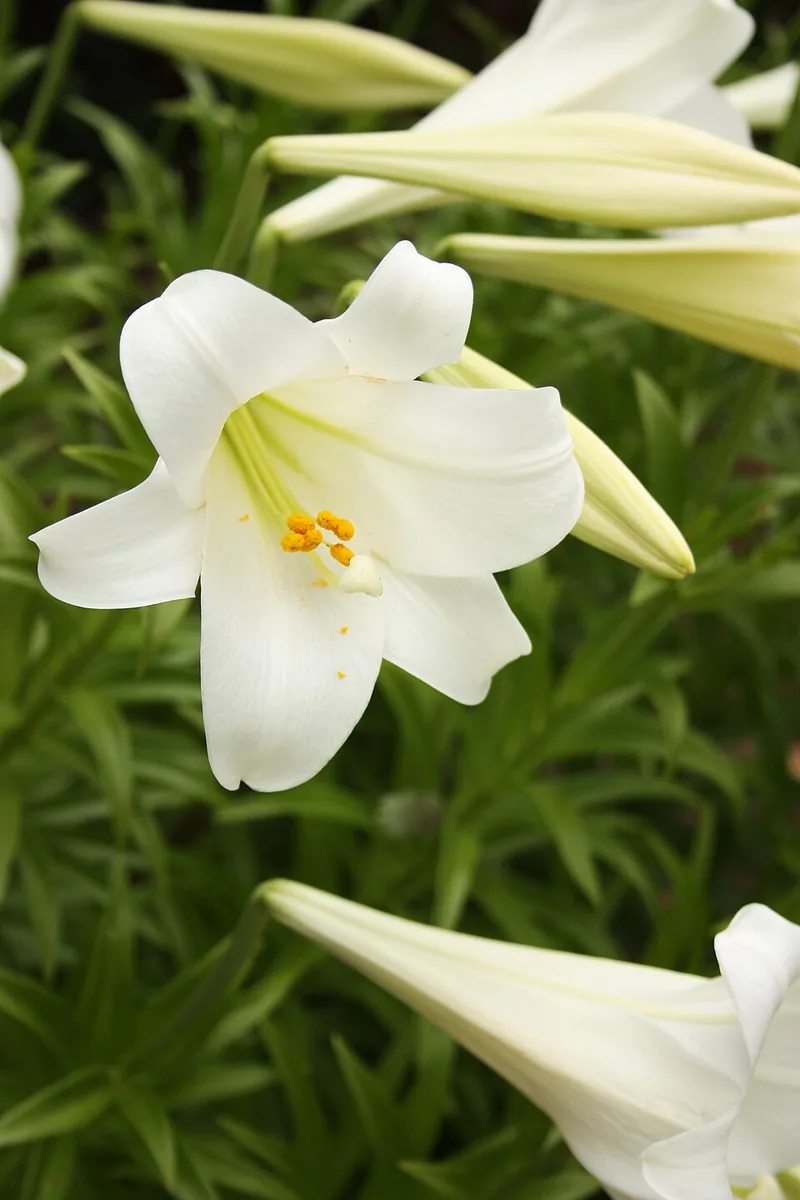
| True lilies: Easter, tiger, Asiatic, stargazer | Cats | Vomiting, loss of appetite, lethargy, kidney failure; death is possible |
| Daylilies | Cats | Vomiting, loss of appetite, lethargy, kidney failure, death |
| Sago palm | Dogs and cats | Vomiting, bruising, liver damage, liver failure, death |
| Autumn crocus | Dogs and cats | Bloody vomiting, diarrhea, shock, multi-organ damage |
| Oleander | Dogs and cats | Drooling, abdominal pain, diarrhea, depression, death |
| Plant | Animals | Main signs (ASPCA, shortened) |
|---|---|---|
| Foxglove | Dogs and cats | Cardiac arrhythmias, vomiting, diarrhea, weakness, cardiac failure, death |
| Yew | Dogs and cats | Sudden death from acute cardiac failure; early signs include muscle tremors and seizures in dogs |
| Azalea and rhododendron | Dogs and cats | Vomiting, diarrhea, weakness, cardiac failure; for rhododendron, cardiovascular collapse and death |
| Lily of the valley | Dogs and cats | Vomiting, irregular heartbeat, low blood pressure, seizures |
| Daffodil | Dogs and cats | Vomiting, drooling, diarrhea; after large amounts, low blood pressure and heart rhythm problems. The bulbs are the most poisonous part. |
| Cyclamen | Dogs and cats | Drooling, vomiting, diarrhea; after large amounts of the tubers, heart rhythm problems, seizures, death |
| Kalanchoe | Dogs and cats | Vomiting, diarrhea, abnormal heart rhythm (rare) |
| Plant | Animals | Main signs (ASPCA, shortened) |
|---|---|---|
| Pothos, monstera and heartleaf philodendron | Dogs and cats | Oral irritation, drooling, vomiting, difficulty swallowing |
| Peace lily, calla lily and dieffenbachia | Dogs and cats | Oral irritation, drooling, vomiting, difficulty swallowing |
| Chinese evergreen, arrowhead vine, alocasia and caladium | Dogs and cats | Oral irritation, swelling of the mouth, drooling, vomiting, difficulty swallowing |
For care help, see yellow pothos leaves and yellow monstera leaves.
| Plant | Animals | Main signs (ASPCA, shortened) |
|---|---|---|
| Snake plant | Dogs and cats | Nausea, vomiting, diarrhea |
| Dracaena, including corn plant | Dogs and cats | Vomiting (occasionally with blood), drooling, dilated pupils in cats |
| Aloe and jade plant | Dogs and cats | Aloe: vomiting, lethargy, diarrhea. Jade: vomiting, depression, incoordination |
| English ivy | Dogs and cats | Vomiting, abdominal pain, drooling, diarrhea |
| Tulip | Dogs and cats | Vomiting, depression, diarrhea, drooling; the highest concentration of toxin is in the bulb |
| Hydrangea (the entry covers Hydrangea arborescens) | Dogs and cats | Vomiting, depression, diarrhea |
| Poinsettia | Dogs and cats | Irritating to the mouth and stomach, sometimes vomiting |
Two popular houseplants aren’t listed by name. NC State Extension says ZZ plant has “a medium toxicity to cats and dogs.” All parts of the plant are toxic if eaten, according to UF/IFAS Gardening Solutions. The ASPCA lists weeping fig (its entry says Ficus sp., the fig genus) as toxic to dogs and cats, but it has no fiddle-leaf fig entry; its “Fiddle-Leaf” entry is a philodendron. Ask your vet about any plant that isn’t listed. The plant rescue checklist includes this pet check too.
What does the FDA say about true lilies and cats?
A cat that licks a few pollen grains off its fur while grooming can develop fatal kidney failure in less than 3 days, the US Food and Drug Administration (FDA) warns. The FDA says lilies in the “true lily” and “daylily” families are very dangerous for cats, and that the whole plant is toxic, including the pollen and even the water in a vase. If treatment is delayed by 18 hours or more, the kidney failure is generally irreversible, according to the FDA.
The FDA names Asiatic, daylily, Easter, Japanese show, Oriental, rubrum, stargazer, tiger and wood lilies. Dogs that eat lilies may get a minor stomach upset, the FDA says, but they don’t develop kidney failure. If your dog has eaten a lily, call your vet or an animal poison control line anyway. The Cornell Feline Health Center warns that even one bite of any part of an Easter lily can cause kidney failure in a cat. The FDA’s advice is short: don’t bring these lilies into a home with a cat.
Is a peace lily a true lily?
No. The ASPCA entry for peace lily places Spathiphyllum in the arum family, Araceae, not with the true lilies. The ASPCA lists peace lily as toxic to dogs and cats, with mouth irritation, drooling and vomiting among the signs. The FDA lists peace and calla lilies among its less harmful lilies. It says their signs usually go away on their own, and breathing problems from swelling can occur but are uncommon. Even so, if your pet has chewed a peace lily, call your vet or an animal poison control line.
Two other names cause confusion. Lily of the valley isn’t a true lily either. The FDA says it contains toxins that make the heart beat abnormally, and the ASPCA lists it as toxic to dogs and cats. The ASPCA lists Peruvian lily as non-toxic, while the FDA says a large amount can cause mild stomach upset.
Which plants does the ASPCA list as non-toxic?
The ASPCA lists these common houseplants as non-toxic to dogs and cats:
- spider plant, Boston fern, parlor palm and areca palm
- calathea, prayer plant and African violet
- moth orchid, Christmas cactus and haworthia
- cast iron plant, money tree and baby rubber plant
In the garden, the ASPCA lists rose and hollyhock as non-toxic too.
A non-toxic listing has limits, the ASPCA warns: “the consumption of any plant material may cause vomiting and gastrointestinal upset for dogs and cats.” Its money tree entry still lists nausea, vomiting and loose stool. The list is also incomplete, so check the exact plant name. If your pet has chewed any plant, even one the ASPCA lists as non-toxic, you can still call your vet or an animal poison control line.
What should you do if your pet chews a plant?
If your pet has chewed a plant, call your vet or an animal poison control line. Call even if your pet seems fine: the ASPCA says many poisons can have a delayed effect.
- Check your pet. If your pet is unconscious, having trouble breathing, bleeding or having seizures, the ASPCA advises going straight to a veterinary clinic.
- Treat lilies as urgent. If you suspect your cat has eaten any part of a lily, its pollen or vase water, the FDA says to immediately call your veterinarian or a pet poison control center. It may be a medical emergency.
- Name the plant. Bring the plant or a photo of it to the vet, as the FDA suggests.
- Call for advice. ASPCA Poison Control: (888) 426-4435. Its site says, “A consultation fee may apply.” Pet Poison Helpline: (855) 764-7661. Its site lists an $89 incident fee.
- Skip home remedies. The ASPCA advises talking to a vet or poison control before giving your pet anything, and Cornell says not to make your pet vomit unless a veterinarian or poison control center tells you to.
Educational, not veterinary advice. Plant facts on this page come from the sources named in each sentence, chiefly the ASPCA plant list. If your pet has chewed a plant, call your vet or an animal poison control line.
Pets and plants questions
Do cats have to eat a plant to get sick?
Usually a pet has to chew or swallow the plant, but lilies are an exception. The FDA says a cat that licks lily pollen off its fur or drinks the vase water can develop kidney failure.
Is a spider plant safe for cats?
The ASPCA lists spider plant as non-toxic to cats and dogs. It also says any plant material may cause vomiting. If your cat seems unwell after chewing one, call your vet or an animal poison control line.
Is a snake plant toxic to dogs?
The ASPCA lists snake plant as toxic to dogs and cats, with nausea, vomiting and diarrhea as the signs. If your dog has chewed one, call your vet or an animal poison control line.
Sources and further reading
Care guidance checked against the sources below. Plant Doctor’s app examples are separate from these references; the institutions do not endorse the app.
- ASPCA — Toxic and non-toxic plants list
- ASPCA — ASPCA Poison Control
- ASPCA — What to do if your pet is poisoned
- US Food and Drug Administration — Lovely lilies and curious cats: a dangerous combination
- Cornell Feline Health Center — Easter peril: look out for lilies and other items
- NC State Extension — Zamioculcas zamiifolia
- UF/IFAS Gardening Solutions — ZZ plant
- Pet Poison Helpline — Animal poison control center
This guide offers general plant-care information. A photo cannot confirm every cause; a local nursery or extension service can help with severe or unclear cases. If a pet has chewed a plant, call your vet or an animal poison control line.