
Why are your plant’s leaves curling?
Curling leaves are a stress signal, and the pattern narrows the cause. Notice which way the leaves curl, which leaves are affected and when you see it. Leaves rolling inward in a bright, dry spot, edges curling outward near cold glass, and twisted new growth from pests each point somewhere different. A prayer plant folding its leaves at night is normal.
Updated
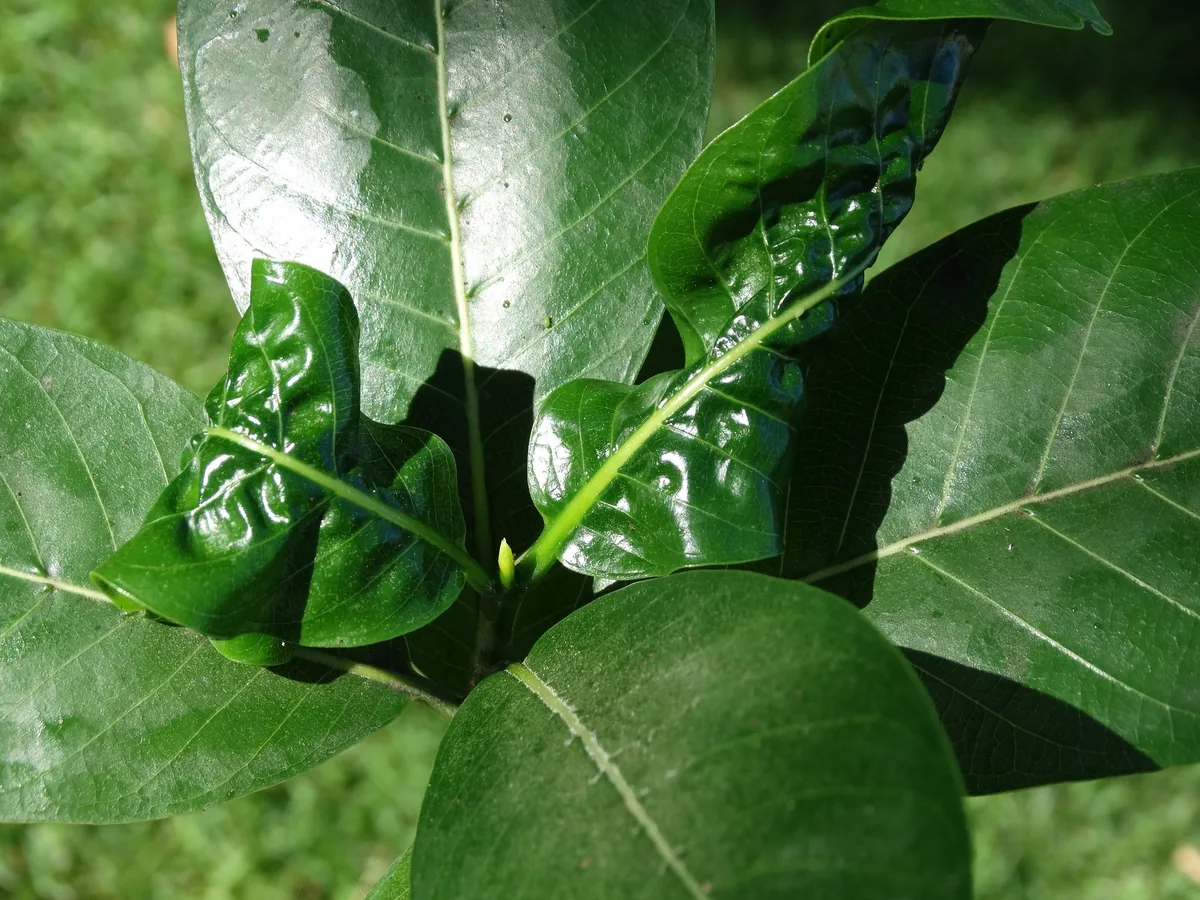
Is the curling normal for your plant?
Some curling is normal. NC State Extension says prayer plant leaves are held flat by day and move to an upright “prayer” position at night. It describes the peacock plant, a calathea, the same way: its leaves fold up in the evening and reopen at sunrise. New prayer plant leaves also come out as a rolled tube.
So look at the plant in daylight before you change anything. Leaves that open by morning need no fix.
Which way are the leaves curling?
Start with the direction, then look at which leaves curl. The Royal Horticultural Society (RHS) gives two examples. Maranta leaves kept in bright light and dry air curl inward. African violet and gloxinia leaf edges curl outward in cold, dry conditions. These are examples, not a rule for every plant.
| What you notice | What to check | A useful next step |
|---|---|---|
| Leaves cupped or rolled inward in a bright or dry spot | The mix below the surface, hot direct sun on the leaves, a heating vent nearby. | If the mix is dry, water until it drains. Move the plant out of hot, direct sun. |
| Leaf edges curling outward near a cold window, door or vent | Cold drafts at night and swings in temperature. | Move the plant away from cold glass and drafts. |
| New leaves crinkled or creased as they open | Your watering rhythm and day-to-night temperature swings. | Water regularly, and avoid both soggy and bone-dry mix. |
| Only new growth twisted, older leaves flat | Insects on the tips and under the leaves. | Isolate the plant and look for aphids or mites. |
| Leaves fold up in the evening and open by morning | The time of day. | Nothing to fix. |
| Curling plus brown, crispy edges | A heater close by, drying the air. | Move the plant away from the heat source and read about brown leaf tips. |
The RHS says crinkled leaves usually come from stop-start growth, most often irregular watering while new leaves form. Its advice is to keep plants away from drafts and swings in temperature, and to avoid soggy and bone-dry mix. NC State lists curling among the stress signs of low humidity, along with yellowing, leaf drop and dead edges.
Why do thirsty or overheated leaves roll up?
Rolling helps a stressed leaf save water. A 2012 review in the journal Plant Science by Kadioglu and colleagues calls leaf rolling “a typical response to water deficit” in many species, such as rice and maize. It notes that salt and temperature can trigger it too. The rolling reduces the leaf’s working area and the water it loses.
Dry air adds to the strain. The RHS explains that in low humidity, plants lose water quickly and can wilt if leaves lose it faster than roots take it up. So a plant with rolled leaves in a bright, dry spot needs its mix checked below the surface. This guide shows how to tell when a plant needs water. Never add water to a pot that is already wet.
You may have read that upward curling means thirst and downward curling means overwatering. None of the sources checked for this guide gives that rule, and the RHS ties outward curling to cold, dry air instead. Check the mix before you change the watering.
Could pests be curling the leaves?
Yes, especially when only the new growth curls. The University of California Statewide Integrated Pest Management Program (UC IPM) says aphids can curl leaves, and some species make leaves curl and distort as they feed. It also notes that aphids hidden in curled leaves aren’t reached by sprays that work on contact. The University of Maryland Extension says of cyclamen mites: “New growth is affected first.”
Look under the leaves and on the growing tips. For treatment, read the aphid guide. If new leaves come out small or misshapen as well, see small or deformed new leaves.
What should you change first?
Change one thing at a time, starting with the simplest check. Feel the mix below the surface. Then look at the spot: hot sun, a heater, cold glass, a door or an air vent. Then check the new growth for insects.
Some plants are fussier than others. NC State says prayer plants won’t tolerate direct sun, low humidity, low temperatures or cold drafts. The calathea guide covers that family in more detail.
When those checks still leave you guessing, a check-up in Plant Doctor, an AI plant diagnosis app for iPhone, starts from three photos. It points to the most likely cause, with the evidence behind it and a step-by-step care plan.
Curling leaf questions
What does it mean when plant leaves curl down?
There’s no single meaning. The RHS links outward-curling edges to cold, dry conditions. A soft leaf hanging from a plant that is wilting all over is a different problem, covered in the guide to drooping and wilting. Check the soil and roots before you change the watering.
Why are my prayer plant leaves curling?
Folding at night is normal, NC State says. Curling inward during the day can follow bright light and dry air; the RHS uses Maranta, the prayer plant, as its example.
Why are my plant’s leaves curling and turning brown?
Low humidity can cause both. NC State lists curling and dead leaf edges among the signs of dry air. Move the plant away from heaters and check the soil moisture.
Sources and further reading
Care guidance checked against the sources below. Plant Doctor’s app examples are separate from these references; the institutions do not endorse the app.
- Royal Horticultural Society — Leaf damage on houseplants
- NC State Extension Gardener Plant Toolbox — Maranta leuconeura
- NC State Extension Gardener Plant Toolbox — Goeppertia makoyana
- NC State Extension — Extension Gardener Handbook, 18. Plants grown in containers
- UC Statewide IPM Program — Pest Notes: Aphids
- University of Maryland Extension — Diagnose indoor plant problems
- Plant Science (Kadioglu and others, 2012) — Current advances in the investigation of leaf rolling caused by biotic and abiotic stress factors
This guide offers general plant-care information. A photo cannot confirm every cause; a local nursery or extension service can help with severe or unclear cases.