
Why are your snake plant’s leaves soft or mushy?
A snake plant leaf that is a little soft and wrinkled while the soil is dry is usually thirsty. A leaf that is mushy, watery or smells bad at the base is most likely rotting, usually from wet soil and sometimes from cold. Cut the rot away. Firm leaves and healthy rhizome pieces can be replanted or rooted as cuttings.
Updated
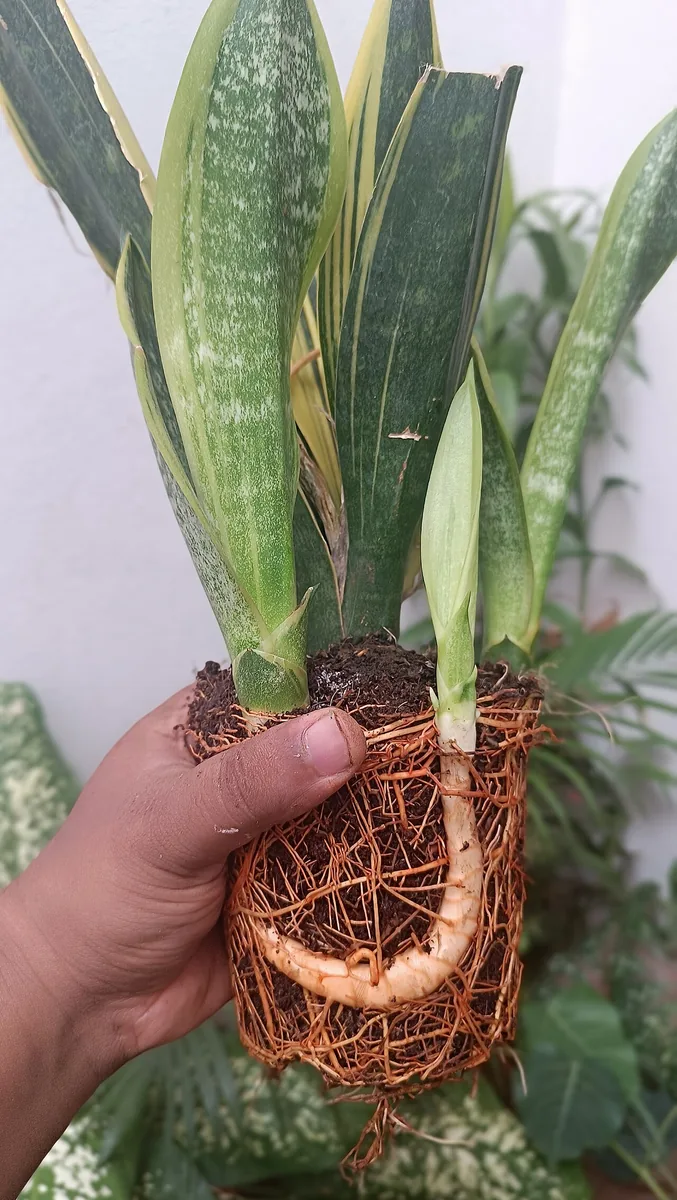
Is a soft snake plant leaf always a bad sign?
No. A slightly soft or puckered snake plant leaf in dry soil is the cue to water. The New York Botanical Garden (NYBG) Plant Information Service says to water in winter “when you see the leaves slightly lose some rigidity.” Mushy tissue is different. NYBG says leaves that are “watery and mushy often with a bad odor” may have rotted from overwatering, and that mushy leaves can also mean the leaves froze.
| What you notice | Likely cause | What to check | A useful next step |
|---|---|---|---|
| Leaves slightly soft, puckered or wrinkled; mix dry | Usually thirst | Dry all the way down; the pot feels light | Water moderately, empty the saucer after 15 minutes, then let the mix dry before the next watering. |
| Leaves bend, fold or flop, but the base is firm | Often too much water or too little sun | Moisture below the surface; how bright the spot is | Let the mix dry and give it more light gradually, not straight from shade into bright sun. |
| Mushy, watery or bad-smelling tissue at the soil line; mix wet | Rot from wet soil | Unpot it: roots and rhizome firm, or dark and soft | Cut out the rot and replant the healthy sections. |
| Mushy or dark patches after a cold night by a window, a draft or a cold trip home | Cold damage | Which leaves touched the glass or faced the draft | Move it away from cold glass and drafts. Watch it for a week. |
| Several leaves collapse and the plant tips over | Advanced rot | The rhizome and roots | Save whatever is firm by division or leaf cuttings. |
Is it rot from wet soil or damage from cold?
Look at where the damage starts and what the soil is doing. Rot from wet soil comes with mix that stays damp and often smells bad. NYBG’s snake plant guide calls overwatering “the most frequent problem, especially during the winter.”
Cold damage can happen in dry soil. NYBG says “even plants on windowsills can freeze near windows indoors in winter,” and that cold winter drafts also cause rot. Look for damage on the leaves that touched the glass or faced the draft. The University of Maryland Extension adds that cold injury symptoms “may continue for up to a week after exposure.”
When rot and cold damage look alike, Plant Doctor, an AI plant diagnosis app for iPhone, looks at three photos and suggests the most likely cause, then lays out a step-by-step care plan for it.
How do you check the roots and rhizome?
Slide the snake plant out of its pot and look. Maryland Extension says diseased roots “will appear dark and soft” and advises cutting out the rotten parts and replanting the healthy sections.
- Wear gloves. NC State Extension says the sap can irritate skin.
- Use a sterile tool, as NYBG advises, and let cut surfaces dry before you replant in quick-draining mix.
A plant with little firm tissue left may not recover. The guide to root rot signs covers the root check in more depth.
Can you save the healthy parts?
Often, yes. Firm offsets and healthy leaves can start new plants.
Division. NYBG says an offset can be removed once it has four or five leaves growing from the runner or rhizome. Cut it free with a sterile tool. A rooted offset can be potted right away; one without roots should callus for several days until the wound is dry. Plant it in quick-draining mix, and keep it warm (70°F) in bright, indirect light.
Leaf cuttings. The Royal Horticultural Society (RHS) lists Sansevieria, the old name for snake plants, among plants that grow from part-leaf cuttings. Choose a healthy, fully grown leaf. Cut it across into 2-inch (5 cm) pieces, keep each piece the way up it grew, and insert the lower edge about 3/4 inch (2 cm) deep. Water carefully: the RHS warns that cuttings are prone to rotting if the mix is too wet.
How do you keep it from happening again?
Water only when the mix is dry, and keep the plant off cold glass. NC State says to let the soil dry between waterings from spring to fall, and “in winter only water every one to two months.” NYBG puts it another way: water in winter only as often as needed to keep the leaves from puckering. The comparison of overwatering and underwatering shows how to check the mix.
NYBG gives 65 to 80°F as ideal for snake plants and says not to keep them below 55°F. Other succulents rot in the same way, as the guide to shriveling or mushy succulents explains.
Snake plant questions
Why are my snake plant leaves falling over?
NYBG links folding and flopping leaves to overwatering or too little sun while the plant is growing. Rot can also make the whole plant fall over, so check the base and roots if the leaves feel soft.
Is a snake plant the same as Sansevieria?
Yes. NC State and NYBG now list it as Dracaena trifasciata, formerly Sansevieria trifasciata. Many labels and plant lists still use the old name.
The ASPCA lists snake plant (under its old name, Sansevieria trifasciata) as toxic to dogs and cats, with nausea, vomiting and diarrhea among the signs. These notes are educational, not veterinary advice. If a pet has chewed the plant, call your vet or an animal poison control line. The pets and plants guide has more.
Sources and further reading
Care guidance checked against the sources below. Plant Doctor’s app examples are separate from these references; the institutions do not endorse the app.
- New York Botanical Garden — My snake plant has mushy leaves. What can I do?
- New York Botanical Garden — Snake plant (Dracaena)
- NC State Extension — Dracaena trifasciata
- University of Maryland Extension — Diagnose indoor plant problems
- Royal Horticultural Society — Leaf cuttings
- ASPCA — Snake plant
This guide offers general plant-care information. A photo cannot confirm every cause; a local nursery or extension service can help with severe or unclear cases.