
Should you repot a struggling plant?
Repot a struggling plant only when the pot is part of the problem. That means roots packed into a solid mass, a plant that dries out soon after watering, old mix that has broken down, or a pot so big the mix stays soggy. If the cause is light, watering or pests, a new pot won’t fix it, and Clemson advises against repotting ailing plants. Look at the roots first.
Updated
When does repotting help a struggling plant?
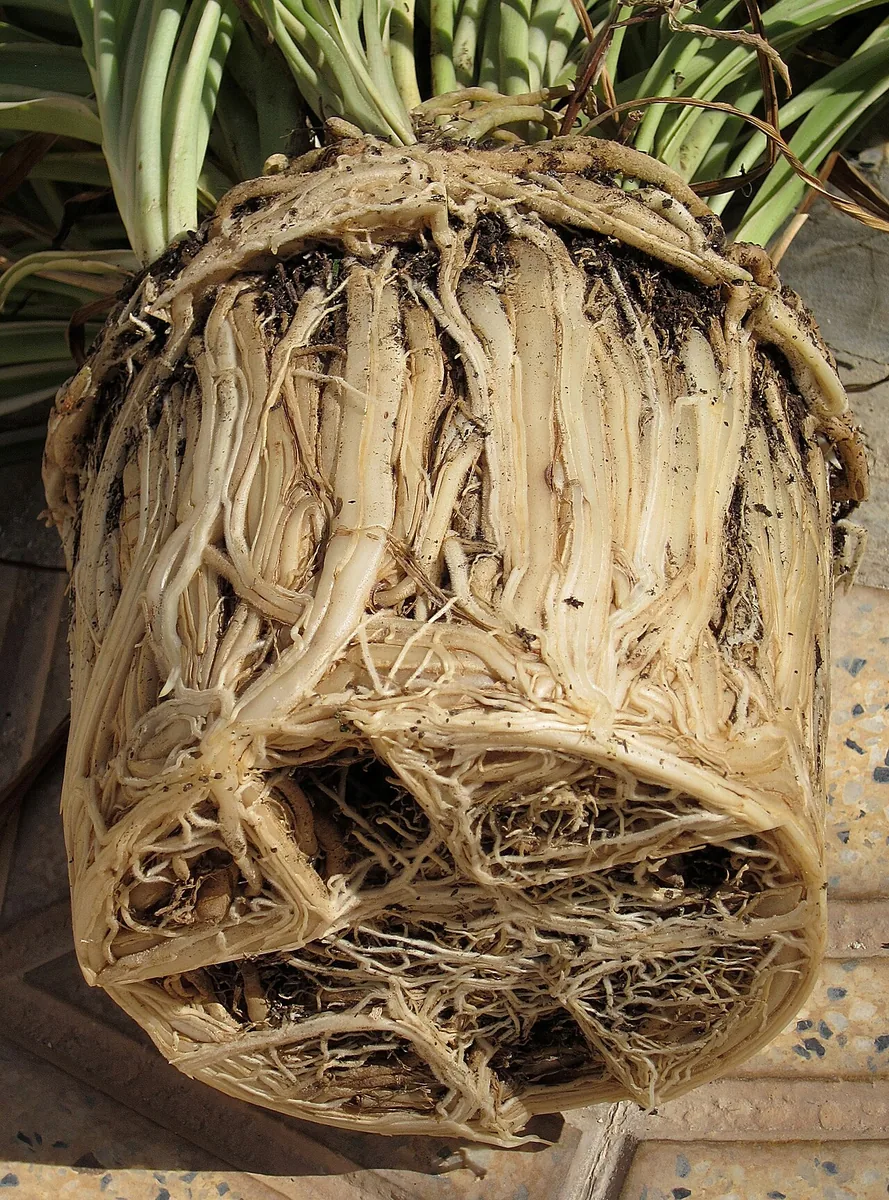
Repotting helps when the roots have run out of room, the mix has worn out, or the pot itself is wrong. Clemson Cooperative Extension says a plant needs repotting if its roots are in a solid mass around the root ball, if roots grow out of the drainage hole, or if it needs frequent watering or wilts soon after watering.
Iowa State University Extension and Outreach adds a few more signs: the plant becomes top-heavy, growth slows, or the mix dries out quickly. Over time, potting mix also breaks down and becomes compacted and poorly drained, which is another reason to repot. A pot with no drainage hole is a problem too, because the soil stays wet and roots rot and die.
A pot can also be too big. The Royal Horticultural Society (RHS) lists overpotting, meaning potting up into too large a container, among the causes of many yellow leaves. Its advice is to repot into a smaller container if the pot isn’t filled by roots.
When doesn’t repotting help?
Repotting doesn’t help when the pot isn’t the cause. Clemson is direct about it: “Do not repot ailing or dormant plants or those beginning to flower.” Iowa State notes that most houseplants prefer their roots in slightly cramped quarters, so frequent repotting isn’t always needed.
If the trouble is too little light, a watering habit or pests, a new pot leaves that cause in place. Fix the likely cause first and change one thing at a time. The plant rescue checklist walks through the checks to make before you water, repot or spray. If a plant drooped after a recent repot or move, the guide to drooping and wilting covers what else to look at.
Should you repot, wait or fix something else?
Decide from the roots. The RHS advises tipping the plant gently out of its pot to check the condition of the roots. Then match what you see.
| What you notice | What to check | A useful next step |
|---|---|---|
| Roots wrapped in a solid mass, or growing out of the drainage hole | Whether the plant also dries out soon after watering. | Repot in spring or summer into a pot 1 to 2 inches wider. |
| Mix stays wet for days, and roots don’t reach the edges of a big pot | How much of the mix the roots actually fill. | Move the plant to a smaller pot that its roots fill. |
| Soft, dark roots that come apart | How much firm root is left, and whether the stem base is soft. | Follow the root rot guide. For a valuable plant, ask a nursery or extension service. |
| Healthy-looking roots with plenty of mix around them | Light, watering habits, pests and any recent move. | Don’t repot. Fix the likely cause and change one thing at a time. |
| Old mix that has packed down, so water sits on top or drains slowly | Whether water soaks in. | Repot into fresh mix in spring. For a pot too big to move, replace the top few inches. |
| A pot with no drainage hole | Water collecting at the bottom. | Move the plant to a pot with a hole, or use the decorative pot as an outer sleeve. |
The RHS says dark, soft or brittle roots indicate poor root health. If the stem base is soft too, the guide to a black, mushy stem sets out what to do first. A double pot, Iowa State’s term for the last row, is a plain pot with a drainage hole set inside the decorative one. For a big pot, Clemson suggests replacing the top 2 or 3 inches of mix every other year or so.
If the roots look healthy, the cause is elsewhere. Plant Doctor, an AI plant diagnosis app for iPhone, suggests the most likely cause from three photos.
How much bigger should the new pot be?
Go up only a little. Clemson says to pick a pot 1 or 2 inches larger in diameter than the current one. Iowa State says to move up one size, maybe two, because houseplants don’t benefit from going from cramped quarters to an enormous pot.
Bigger isn’t better. Iowa State explains that a pot should be big enough that the plant doesn’t always need water, but small enough that the mix and roots dry out in a reasonable time. It warns against roots sitting for long periods in wet soil. A plant that dries out very fast may need a bigger pot, and you can check that with how to tell when a plant needs water.
Do rocks in the bottom of a pot help drainage?
You don’t need a gravel layer. Extension services advise against one; a 2025 lab study found layers often reduced the water a pot held and almost never increased it, but it didn’t test living plants. Either way, gravel can’t replace a drainage hole.
The extension view rests on how water moves. Washington State University Extension horticulturist Linda Chalker-Scott explains that water won’t move from a fine mix into coarser material below it until the fine mix is saturated. Iowa State says a gravel layer creates a wetter zone of soil near the roots, and Clemson says a rock layer slows water movement through the pot.
The 2025 study, by A. Rowe in the journal PLOS ONE, tested three potting media over coarse layers. With the two loamless mixes, almost every layer cut the water the pot held. With the loam-based mix, most layers made no difference. It used one small pot shape, drained the pots after soaking them, and grew no plants. Iowa State and Chalker-Scott agree on the hole. Iowa State says a gravel layer “does not make up for the lack of a drainage hole,” and Chalker-Scott says containers must have drainage holes.
How do you repot without adding more stress?
Repot while the plant is growing, and keep the rest of its care steady. Clemson says to repot only as needed during spring and summer, while the plant is actively growing.
- Ease the plant out of its old pot. Iowa State suggests squeezing the sides of a plastic pot or running a knife around the inside edge.
- Loosen the root mass, lightly break up the old mix, and remove any limp, brown or dead roots, as Iowa State advises.
- Set the plant in fresh potting mix at the same depth it grew before. Clemson says not to add mix above the old level of the root ball.
- Water well so the excess drains out of the pot.
- Hold off on feeding. Iowa State says to wait at least 2 to 4 weeks before regular fertilizing.
Repotting questions
Should you put rocks at the bottom of a pot?
No. A gravel layer can’t replace a drainage hole, and extension services advise against one.
Can you repot a plant into a pot that’s too big?
You can, and it can backfire: the RHS lists overpotting among the causes of yellow leaves. It advises moving a plant to a smaller container when its roots don’t fill the pot.
Will repotting help root rot?
Not on its own. The RHS says to check the roots and, if they’re brown, rotted and soft, more likely reduce watering. Iowa State says to remove limp, brown or dead roots when you repot. For a valuable plant, get an in-person opinion from a nursery or extension service.
Should I repot a new plant right after buying it?
Not automatically. Clemson says to repot only as needed, in spring or summer while the plant is growing, so check the roots for the signs first.
Sources and further reading
Care guidance checked against the sources below. Plant Doctor’s app examples are separate from these references; the institutions do not endorse the app.
- Clemson Cooperative Extension — Indoor plants: transplanting and repotting
- Iowa State University Extension and Outreach — How to care for houseplants
- Royal Horticultural Society — Leaf damage on houseplants
- Washington State University Extension — The myth of drainage material in container plantings
- PLOS ONE (Rowe, 2025) — Effect of drainage layers on water retention of potting media in containers
This guide offers general plant-care information. A photo cannot confirm every cause; a local nursery or extension service can help with severe or unclear cases.